A sense of unity within a country can be extremely powerful. Even more, uniting in the face of challenges such as heartbreaking loss is a major task to accomplish; especially during a time of great polarization in society. Many Canadian citizens have come together in unison to begin the new decade, but a horrible tragedy had to take place in order for this new conversation to be introduced. Nonetheless, it is important to recognize this huge step forward in a day and age in which there are more social and political divides than there have ever been before.
This blog post will explore the topic of multiculturalism and diversity, along with its connection to education and the recent Tehran plane crash that occurred early January.

“No culture can live if it attempts to be exclusive.”
-Mahatma Gandhi

The Devastating Tehran Crash Reminds Canada of its Multiculturalism and Identity.
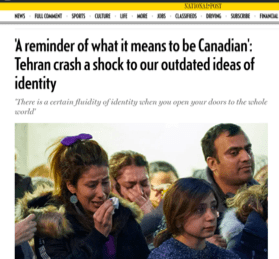
On January 8th, 2020, Canadians all around the world had learned of the tragic plane crash that occurred in Tehran, Iran. A total of 138 lives were lost – and with 57 of them being Canadian citizens, Prime Minister Justin Trudeau spoke to those who had lost a loved one, “An entire country is with you. We share your grief.” (Cousins & Dunham, 2020). The nation has since come together to grieve the loss of so many innocent lives, and this devastating event has served as a reminder of the country’s diverse and multi-cultural population (Brean, 2020). In today’s day and age, there is more immigration and multiculturalism than ever, and the National Post explains that this leads many Canadians to a shift their perspective and therefore is redefining the Canadian identity (Brean, 2020). The Canadian identity has evolved drastically from how it was several years ago – in the past, there was a clear image of what it meant to be a “true Canadian” and that image was never a person of colour. At present, people all around the country are acknowledging Canada’s diversity, and the idea of a “home away from home” is now recognized and integrated into the Canadian culture (Brean, 2020). One does not need to be exclusively from Canada to be patriotic and welcomed to the country; people can come from a variety of different backgrounds and celebrate them all in Canada today. Unfortunately, Brean (2020) explains that, “This crash is a reminder of how outdated views of national identity can distance Canadians from their own tragedies” (Brean, 2020). Unfortunately, the traditional view of the Canadian identity is still quite prevalent and extremely exclusive to people of colour and of those belonging to different cultures. Without furthering discussions and re-educating in regards to multiculturalism and diversity, these traditional views will still be prevalent, and people will become increasingly ignorant in the face of loss which in turn, affects the entire country. To connect back to this article once again, this heartbreaking plane crash has sparked a much needed dialogue about recognizing and acknowledging that the ordinary “Canadian citizen” can include a large range of people of different cultures, races, ethnicities, ages, gender, and much much more. Even more, no matter their background, what truly matters is that their lives, accomplishments, and legacies should be celebrated and remembered in a very difficult time of loss and death.
/https://www.thestar.com/content/dam/thestar/news/canada/2020/01/10/our-hearts-are-heavy-as-we-grieve-remembering-the-victims-of-ukraine-flight-752/mainimg2.jpg)
During such a devastating time, it is both comforting and valuable knowing that something positive came out of this horrifying experience – Canada as a whole has pushed aside their differences to collectively celebrate and recognize the lives of those that were lost. It is significant to note that today, especially in America, there is an enormous divide between factors that distinguish people from one another and this seems to grow more and more every day. Racism and Islamophobia has become more prevalent since the rise of terrorist groups such as ISIS. Instead of Canada furthering any divisions, Canadians are grieving with much empathy and compassion as if they have lost some of their own. Many pray for the families who have lost loved ones, and this unity is much needed in all countries all around the world; it would be a much better place with it.
The Significance & Impact of Diversity in My Life.
There are so many reasons I chose to include this specific news article that connects to unity, diversity and multiculturalism. The first reason being that the principle of multiculturalism holds a very special place in my heart. Growing up as a biracial child living in a family with people of every culture and every colour, it is extremely important to me to encourage acceptance everyone for who they are. It should not matter the colour of a person’s skin, their religion, how they identify themselves, or even where they’re from. As cliché as it sounds, all that matters is who they are on the inside. As a matter of fact, we are all human and we all deserve to be treated as so. All of the outdated and traditionalist views of Canadian identity should be put aside, and what truly matters is that our nation celebrates and respects all cultures, and all people. This is why the Tehran plane crash was such an important topic to write about; these innocent people traveling on the plane had many backgrounds and ethnicities. Several of them belonged to marginalized groups who are often discriminated against due to their backgrounds and often because of religion. For Canadians to unite during this time and collectively mourn the loss of innocent lives (no matter their backgrounds) is an important step that us Canadians needed to take.
I can only hope and pray that in the face of adversity, other countries around the world can act similarly and do the same.
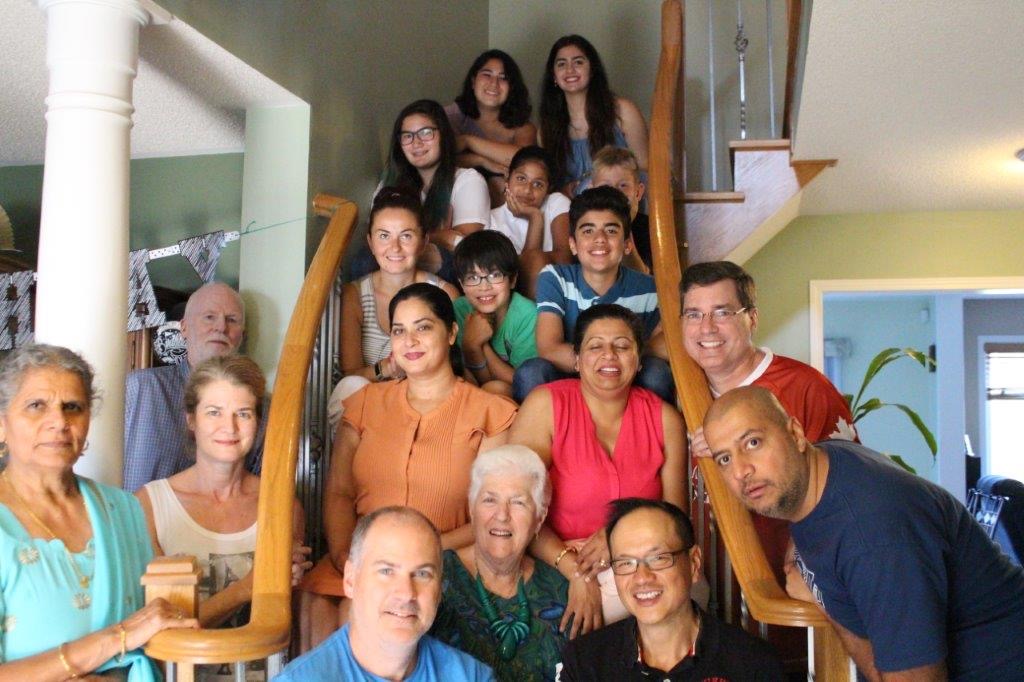
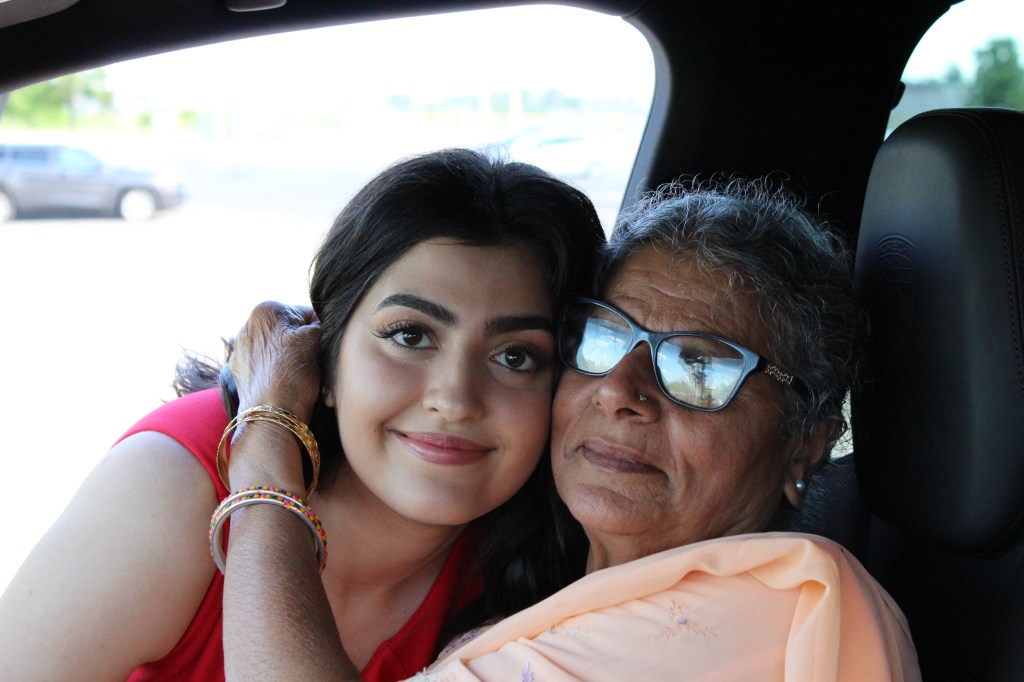
If you as me, there is no “Canadian identity”. If someone were to ask me what a typical Canadian citizen looked like, I would not be able to describe it in only one way. Our country is full of diversity, and it includes people from different cultures and backgrounds, therefore, there are countless possibilities on how a Canadian citizen looks like.
The Tehran article mentioned above reveals that Canadians can acknowledge that this loss of life from people of all cultures is just a reminder of how diverse our country is (Brean, 2020). Personally, I think that’s what makes it so beautiful.
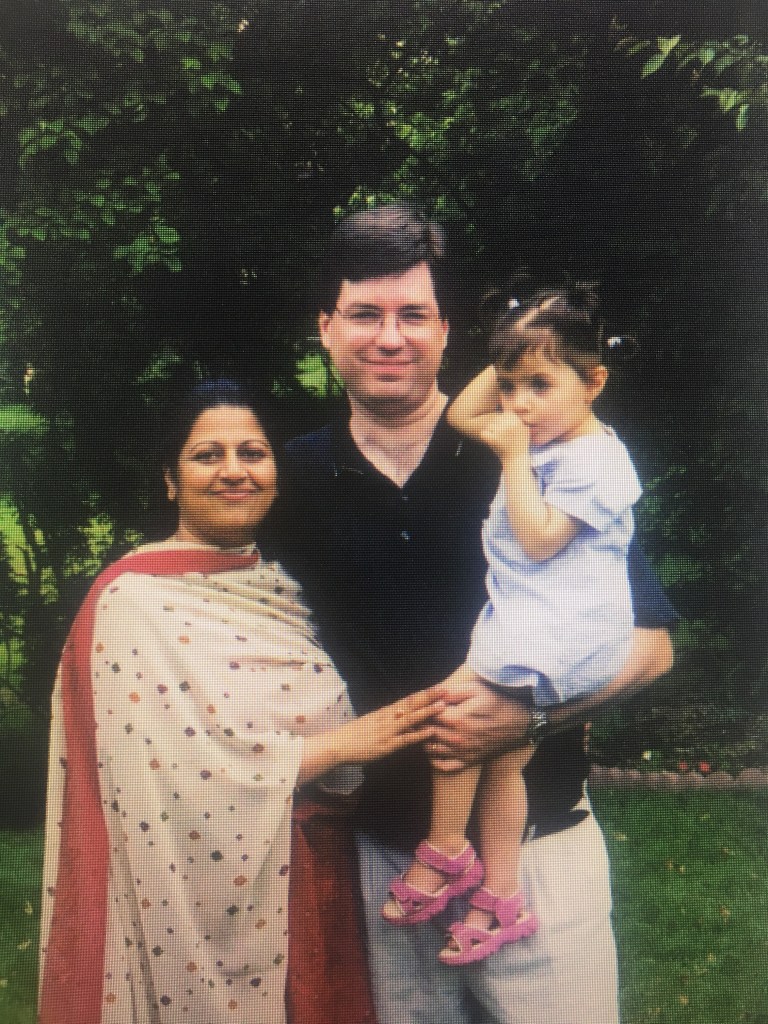
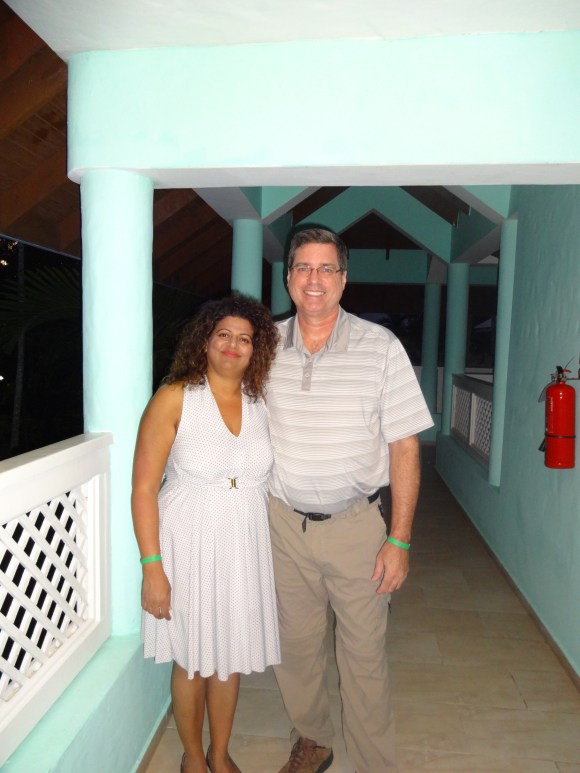
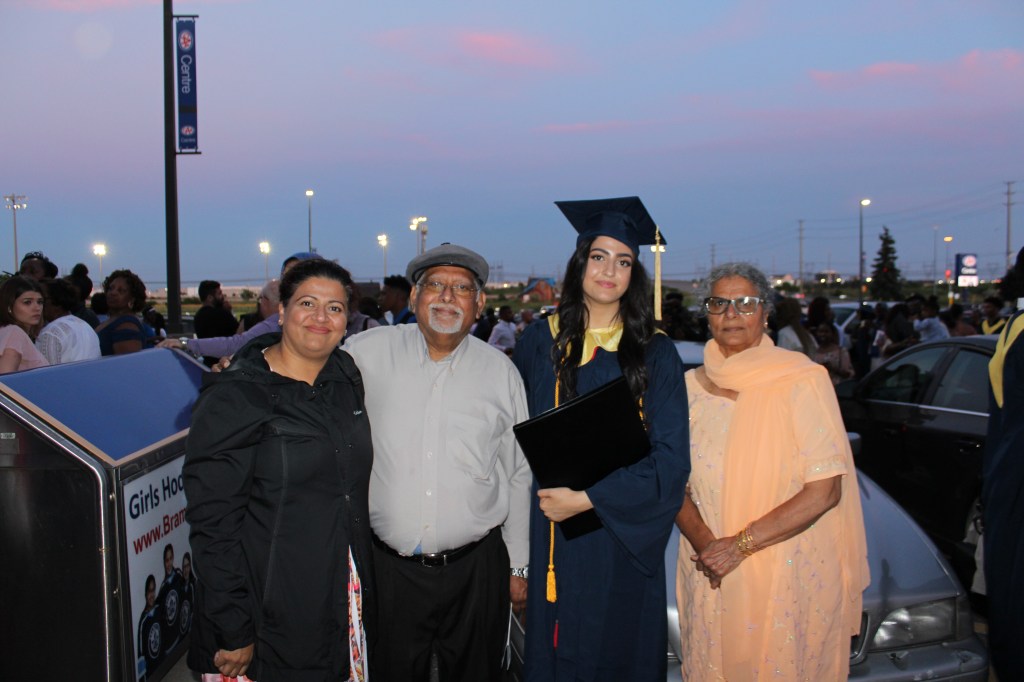
My mother is from India, and my father was born in Canada is half Australian and half-Canadian. That makes me half Indian, part Australian, and Canadian. Further, my family as a whole includes ethnicities such as Chinese, Polish, Filipino, Indian, Australian, and the Caribbean. I’m always proud to express to others the diversity in my family and it has shaped me into the woman I am today. It has taught me more than ever about other cultures, and the importance of accepting and learning from the differences that distinguish us all.



Multiculturalism and Diversity: How it relates to EDS220 and an even Broader Discussion.
Multiculturalism and diversity are significant to education studies, and the article deeply connects to discussions held in the course along with readings. On the first day of class, everyone shared their countries of origin on the map. We then celebrated our diversity, and shared stories and information about our ancestry. Discussions and activities such as these are crucial in today’s climate in order to teach and encourage diversity and inclusivity to everyone.
The central themes of certain readings discuss the importance of acceptance and unity, which are critical during devastating times. As Portelli (2019) explained the topic of deficit thinking, “It privileges certain norms — particularly white, middle-class norms. As a result, certain students, families, cultures, or contexts are blamed for failures.” (Portelli, 2019). Deficit thinking was mentioned in this specific reading, and it heavily relates to the urgency in which educators must help to transform old, and outdated views that exclude and discriminate against minority groups. By re-educating and informing students, it will greatly aid in the fight agains discrimination and ignorance globally. Portelli (2019) mentioned that there are certain groups being “blamed for failures” which is unfortunately a harsh reality – especially during a time in which Islamophobia is on the rise, which connects directly to the Tehran crash in which many of the passengers practiced Islam. For instance, re-educating to eliminate deficit thinking will unify people along with bringing awareness to the importance of unity and diversity.
But even more, it is crucial that “schools must also be prepared to serve diversity in its multiple forms and combinations—sexuality, gender, race, ethnicity, language, socioeconomic context, religion, ability, body, heritage, image, and beliefs.” (Rolheiser, Evans, & Gambhir, 2011). Once schools can grasp individuality and acceptance, while uniting against discrimination, the future will hold great potential for diversity and multiculturalism.
Why Canada’s Step Towards Unity is so Significant.
“Success is the sum of small efforts, repeated day in & day out.”
-R Collier
Canada noticeably took a huge step forward by uniting in times of crisis, however, this blog post should serve as an “eye opener” to discuss the fact that it took several years to raise awareness on re-evaluating and re-evaluating what it means to be Canadian. As a nation, we must move forward together and continue to do so for the future. Further, this blog stresses the importance of continuing to re-evaluate the quality of education in which the upcoming generations are being taught foundational principles that ensure equity and inclusivity.
Educators play the most valuable role by ensuring that traditional and discriminatory values will no longer be enforced. This, as a result, will allow students to encourage diversity and multiculturalism not only in the classroom, but more importantly in the country and eventually across the world.
Although this article shows a positive step forward for the country, the negative counterpoint is that there are still so many challenges that our country faces in terms of diversity and accepting multiculturalism. Unfortunately, at present there has been a lack of empathy, compassion and acceptance to newcomers to the country with new fears of immigration. However, this is just one of many examples of challenges that our country is still yet to overcome. Discrimination affects us all, and we must unite as human beings despite all of our differences. While there was an overwhelming sense of unity in grieving the loss of lives, we must also unify as a country for other incredibly important issues as well in order to guarantee a safe and inclusive environment for all.
Works Cited:
Brean, J. (2020, January) A reminder of what it means to be Canadian’ : Tehran crash a shock to our outdated ideas of identity. National Post. Retrieved from https://nationalpost.com/news/a-reminder-of-what-it-means-to-be-canadian-tehran-crash-a-shock-to-our-outdated-ideas-of-identity
Cousins, B. & Dunham, J. (2020, January) 138 passengers aboard plane that crashed in Iran were headed for Canada: Trudeau. CTV News. Retrieved from https://www.ctvnews.ca/canada/138-passengers-aboard-plane-that-crashed-in-iran-were-headed-for-canada-trudeau-1.4757783
Portelli, J. (2011) Inquiry into Practice: Reaching Every Student Through Inclusive Curriculum. University of Toronto, Ontario Institute for Studies in Education. Retrieved from https://www.oise.utoronto.ca/oise/UserFiles/File/ITE_PUB_2011_COMPLETE_LR1.pdf
Rolheiser, C., Evans, M., Gambhir, M. (2011) Towards Inclusive Curriculum: Perspectives, Practices, and Possibilities. University of Toronto, Ontario Institute for Studies in Education. Retrieved from https://www.oise.utoronto.ca/oise/UserFiles/File/ITE_PUB_2011_COMPLETE_LR1.pdf
 SONA TISSINGTON: EDS220